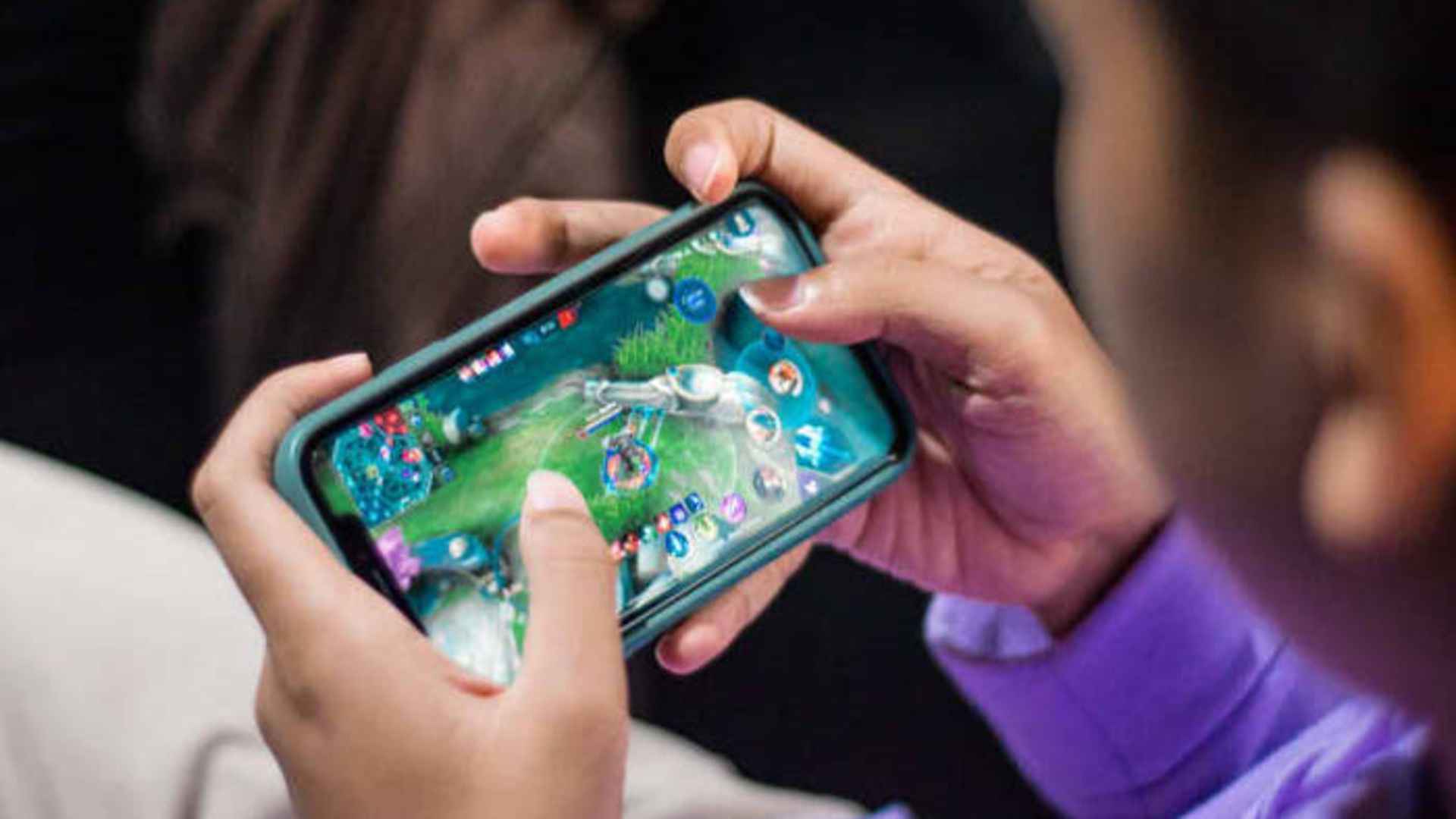
Modern game developers are constantly seeking innovative methods to keep their communities actively engaged over long periods. While standard progression tracks provide predictable milestones, introducing randomized incentives tailored specifically for long-term users has emerged as a powerful retention strategy. When executed correctly, these mechanics ensure that high-value loyalty is acknowledged with exciting, unpredictable benefits.
The Evolution of Loyalty Incentives
Traditional gaming systems often rely on fixed milestones where players know exactly what item they will unlock next. While this creates a clear path forward, it can occasionally lead to routine gameplay that lacks spontaneous excitement. By integrating variable elements into the progression loop, studios can surprise their most loyal supporters with unique digital assets.
This approach does not replace the traditional grind but rather enhances it by layering elements of surprise over established milestones. Players who spend hundreds of hours exploring virtual environments appreciate when their dedication triggers unexpected bonuses. These surprise mechanics keep the underlying experience dynamic and deeply satisfying for veteran community members.
Balancing Fairness and Randomness
Implementing randomness in gaming requires a delicate balance to prevent casual players from feeling completely alienated. Developers achieve this by structuring systems so that the probability of receiving top-tier items increases with total playtime. This ensures that the most valuable drops are statistically directed toward individuals who have invested significant effort into the title.
Transparency remains essential when designing these complex distribution algorithms to foster long-term trust within the community. Modern platforms often publish their drop rates openly so that participants can make informed choices about how they spend their gaming sessions. Enthusiasts looking for verified systems and reliable digital entertainment platforms can visit M88id to discover how modern interfaces manage dynamic user rewards safely.
Impact on Virtual Economies
When random mechanics are properly aligned with player dedication, they naturally cultivate a more robust and interactive virtual economy. Dedicated players are more likely to trade rare drops, share unique strategies, and participate in complex end-game challenges. This heightened level of social interaction directly contributes to the overall longevity and stability of live-service platforms.
Furthermore, rare items distributed via chance-based mechanics become status symbols within the game world, driving healthy competition. Players take pride in showcasing gear that represents both immense effort and a stroke of exceptional fortune. This dual value proposition elevates the emotional investment that individuals place into their favorite digital worlds.
Future Trends in Behavioral Design
As technology evolves, developers are implementing adaptive algorithms that tailor surprise bonuses to individual playing styles. By analyzing which challenges a user enjoys most, the system can distribute customized prizes that feel uniquely meaningful. This transition toward personalized engagement represents the next frontier in digital entertainment design.
Ultimately, rewarding dedication through unpredictable outcomes taps into the fundamental human desire for discovery and recognition. When studios move away from purely commercial incentives and focus on genuine player satisfaction, virtual communities thrive. Striking the right balance between predictable progress and sudden windfalls remains the cornerstone of modern interactive entertainment design.